


newtum

Our Social Network

Staying Safe While
Learning and Coding Online

Learning to code is easy nowadays, thanks to the free courses, online tutorials, YouTube video guides, enthusiast blogs, and many other resources out there. There’s no shortage of ways to learn how to code on the internet, and the only real downside is the risk of running into online threats.

Unfortunately, that risk is very real, and for every helpful resource you find, you’re just as likely to run into scammers, phishing attempts, or malware. Want to know how to stay safe while learning and coding online? Let’s go over some practical yet highly effective steps you can take:

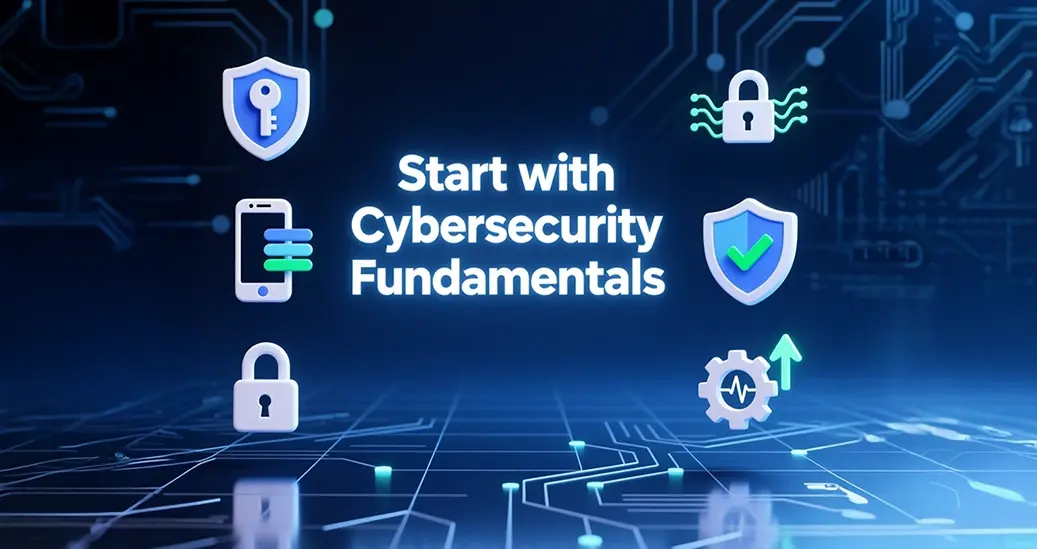
Start with Cybersecurity Fundamentals

A strong foundation is key when it comes to staying safe online. With a bit of preparation you can apply cybersecurity fundamentals that will protect you from most threats:

  • Create strong and unique passwords for every online account, and consider using a password manager such as LastPass or 1Password.
  • Enable 2-factor authentication (2FA) wherever possible. Requiring a code be sent to your phone or email can stop attempts to gain access to your accounts - even if they guess your password.
  • Encrypt your connection by using a VPN on Mac or PC. If data is encrypted it can’t be decoded without the right key, which will prevent others from reading it even when intercepted.
  • Install antivirus and antimalware software to protect from viruses, trojans, and other malware.
  • Avoid oversharing personal information such as your full name, home address, location, or phone number. The less personal information that is out there, the less information available for scammers to use.
  • Update software regularly especially if security patches or hotfixes are available.

None of these steps are particularly difficult, yet each will have a huge impact on your safety. But that’s really just the start.

Newtum

Watch for Phishing Attempts

Imagine you’re looking for great Python tutorials and see a pop-up promising just that - as long as you click the link and sign up. Sound familiar? That’s basically how some phishing attempts work, and it’s one of the more common threats you’ll encounter when learning to code online.

To avoid phishing attempts, you need to know what to look for:

  • Urgent language that creates a sense of panic, such as claims of account suspension, unauthorized activity, or financial consequences.
  • Spelling and grammar mistakes that legitimate organizations don’t normally make.
  • Unsolicited requests to confirm personal or financial information.
  • Mismatched email domains that come from the wrong source, or a similar but misspelled domain.
  • Links are masked with an anchor but send you to a URL that isn’t in the right domain.

Always remember that if something sounds too good to be true - it probably is. Don’t panic if you click on a phishing link, instead focus on damage control by disconnecting from the internet, changing passwords, monitoring online accounts, and scanning for malware.

Navigate Online Communities Carefully

Forums, Discord servers, and Reddit threads can be a treasure trove of useful information and helpful advice. Just remember that not everyone there will have your best interests at heart.

To navigate online communities safely, start by checking the community guidelines. Typically these guidelines exist to foster a positive and safe environment - so it helps to be aware of them, and comply.

Next, be careful of what you share with others - publicly, or in private messages. As a rule you should avoid sharing any information that is personal or sensitive, and if any conversations get weird or you encounter someone who is being pushy when asking you for information - bail out, and report them.

Keep in mind that links in online communities could be phishing attempts too, and be sure to verify them before clicking.

Conclusion: Be Vigilant

All said and done, if you want to stay safe while learning to code online - you need to be vigilant. There are a lot of threats out there, but most can be avoided if you take the right precautions and are aware of what to look for.

As you delve into online resources, you’ll not only be able to learn to code more quickly - but will also pick up many cybersecurity basics that let you identify threats and spot vulnerabilities more easily.

"Learning to code isn’t just about syntax — it’s about problem-solving, creativity, and building solutions for tomorrow’s challenges."

— Manoj Kolhe

More Articles

Ready to Explore the Future of Technology?

Unlock the tools and insights you need to thrive on social media with Newtum. Join our community for expert tips, trending strategies, and resources that empower you to stand out and succeed.

Newtum

Newtum is an emerging online academy offering a wide range of high-end technical courses for people of all ages. We offer courses based on the latest demands and future of the IT industry.

© 2025 Newtum, Inc. All Rights Reserved.